Understanding the Bond
Before you vote, it helps to understand how school bonds work — and why this one matters. Below is a plain-language overview of the bond process, what your tax dollars fund, and why acting now is the fiscally responsible choice for Wenatchee.
↧ Download the Full Presentation (PDF)What Is a School Bond?
Think of it like a mortgage for schools.
A bond lets a school district borrow money upfront to build or improve facilities, then pay it back over time using property taxes — just like a homeowner borrows to build, then pays back monthly.
- Voters approve the bond. The district sells bonds to investors.
- Investors are repaid with interest over 10–25 years.
- Property owners in the district pay through their property taxes — a set amount per $1,000 of assessed value.
Bond money can only be used for
Buildings & Facilities
Never for salaries or daily operations
Local decisions.
Local dollars.
No money goes to Olympia
Bonds vs. Levies: What's the Difference?
"Bonds are for building. Levies are for learning."
Why Do Schools Need Bonds?
Washington State funds "basic education" — but that doesn't cover everything schools actually need.
What the State Covers
Teacher salaries (basic level), a formula-based share of materials, supplies, and operating costs.
What the State Doesn't Cover
Most construction costs, major renovations, new schools, technology upgrades, safety improvements, athletics, and extracurricular costs.
→ Local levies and bonds cover these costs
The 60% Supermajority Rule
Washington is one of only 11 states that requires more than a simple majority to pass school bonds. This means every vote counts — and community outreach is essential.
(supermajority)
(validation threshold)
In the last decade, only 45% of Washington school bonds have passed.
Only about 20% of parents with kids in school vote in bond elections. Residents 65 and older make up the majority of voters — meaning the campaign must reach everyone in the community.
You don't need kids in school to care about Wenatchee's future, and parents who do care deeply about their kids' schools need to make sure they actually vote.
How Property Taxes Fund Bonds
Property owners pay a set amount for each $1,000 of assessed property value. Here's how that works in practice:
State Matching Funds: Stretch Your Dollars
When a local bond passes, the district may qualify for state matching funds through the School Construction Assistance Program (SCAP) — essentially free money from the state to help build schools.
How It Works
The state calculates:
- Square footage needed per student (varies by grade level)
- Average construction cost per square foot
- The district's ability to pay locally
Both new construction and modernization projects can qualify.
The catch: State matching only covers a portion of costs. The local bond still funds the majority — but the match significantly reduces the burden on local taxpayers.
Why Now?
Waiting doesn't save money — it costs more. Every year of delay compounds the problem.
Rising Construction Costs
Construction costs increase 6–7.5% annually. Waiting one year adds an estimated $22–28 million to the project cost.
Compliance Fines Starting
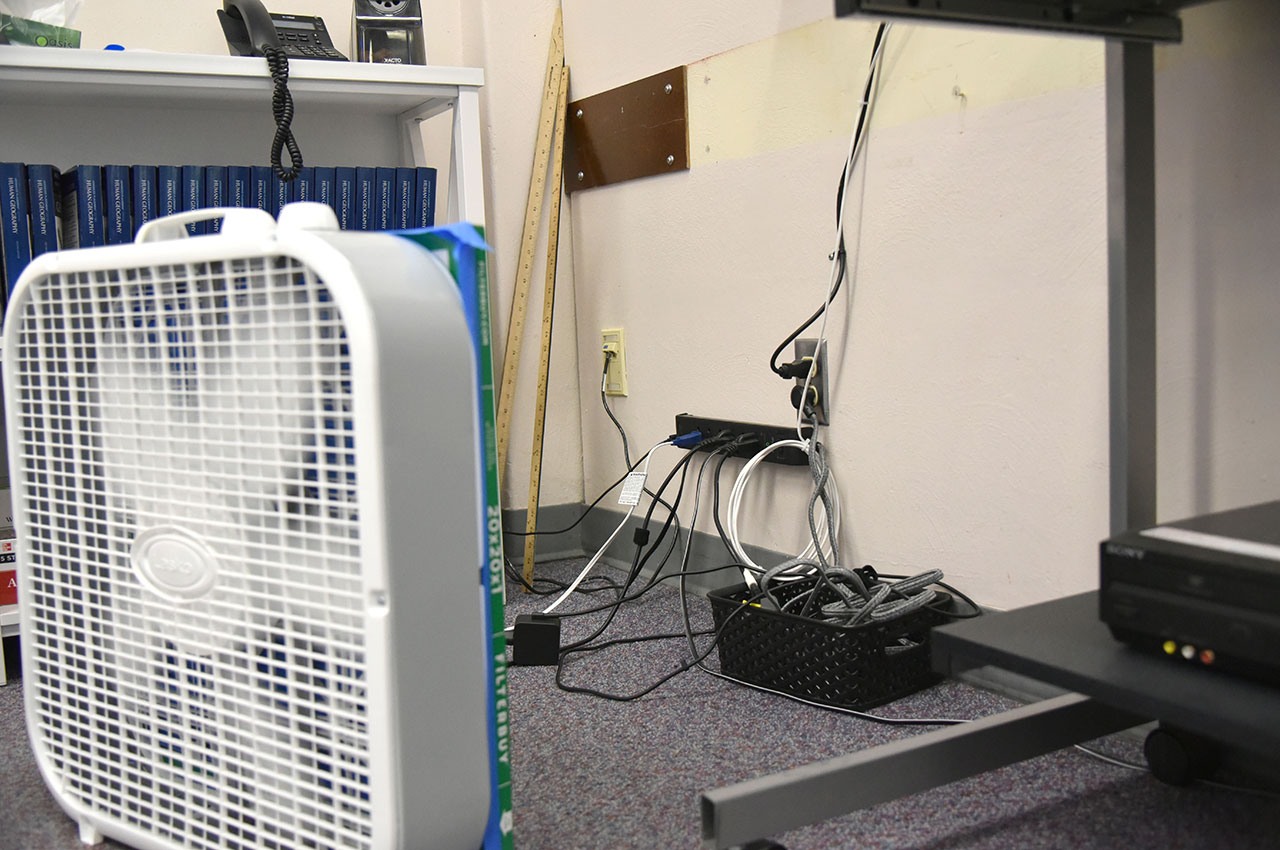
The district faces $300,000 per year in fines for non-compliance with Washington State's Clean Energy Act due to aging HVAC systems.
State Match Available Now
$79 million in state matching funds is available — but only if the bond passes. Delay risks losing this funding window.
Planned > Emergency
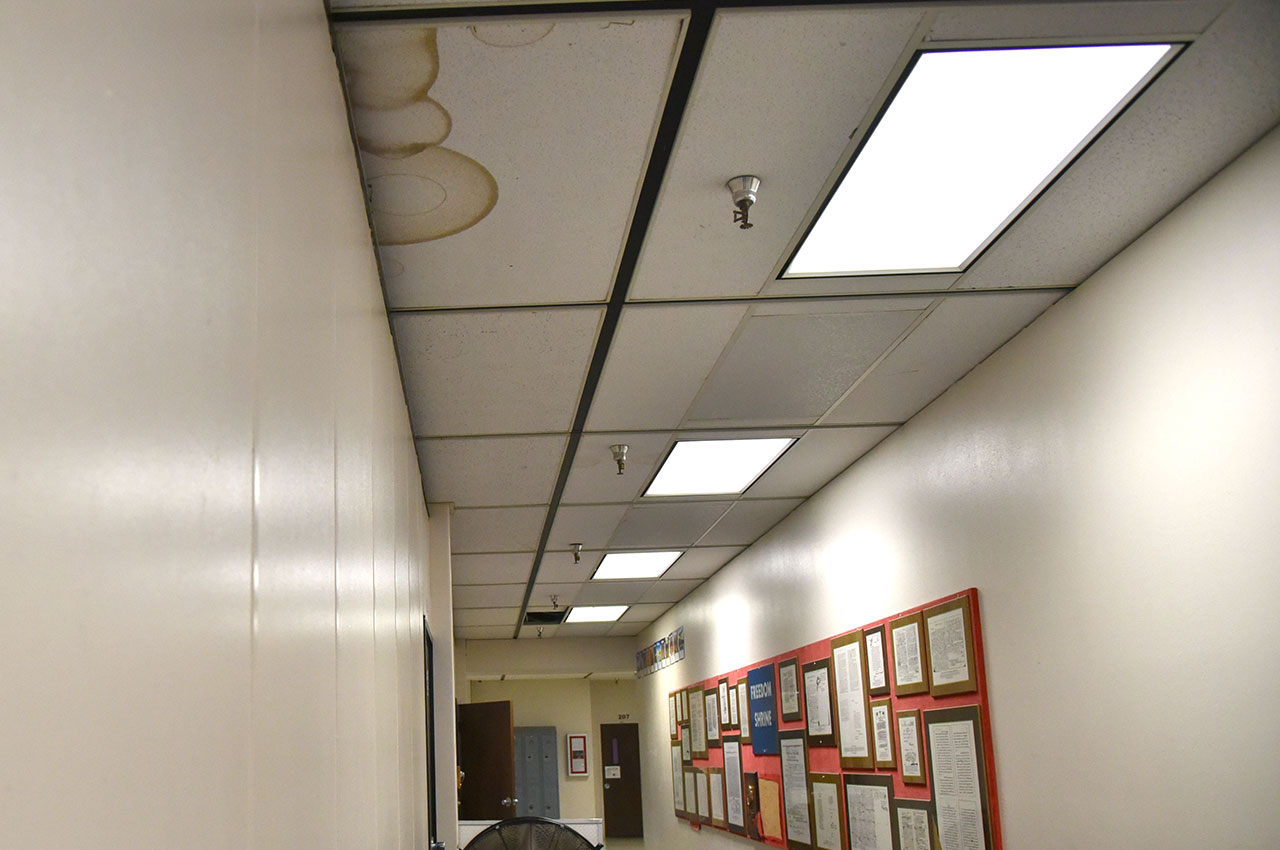
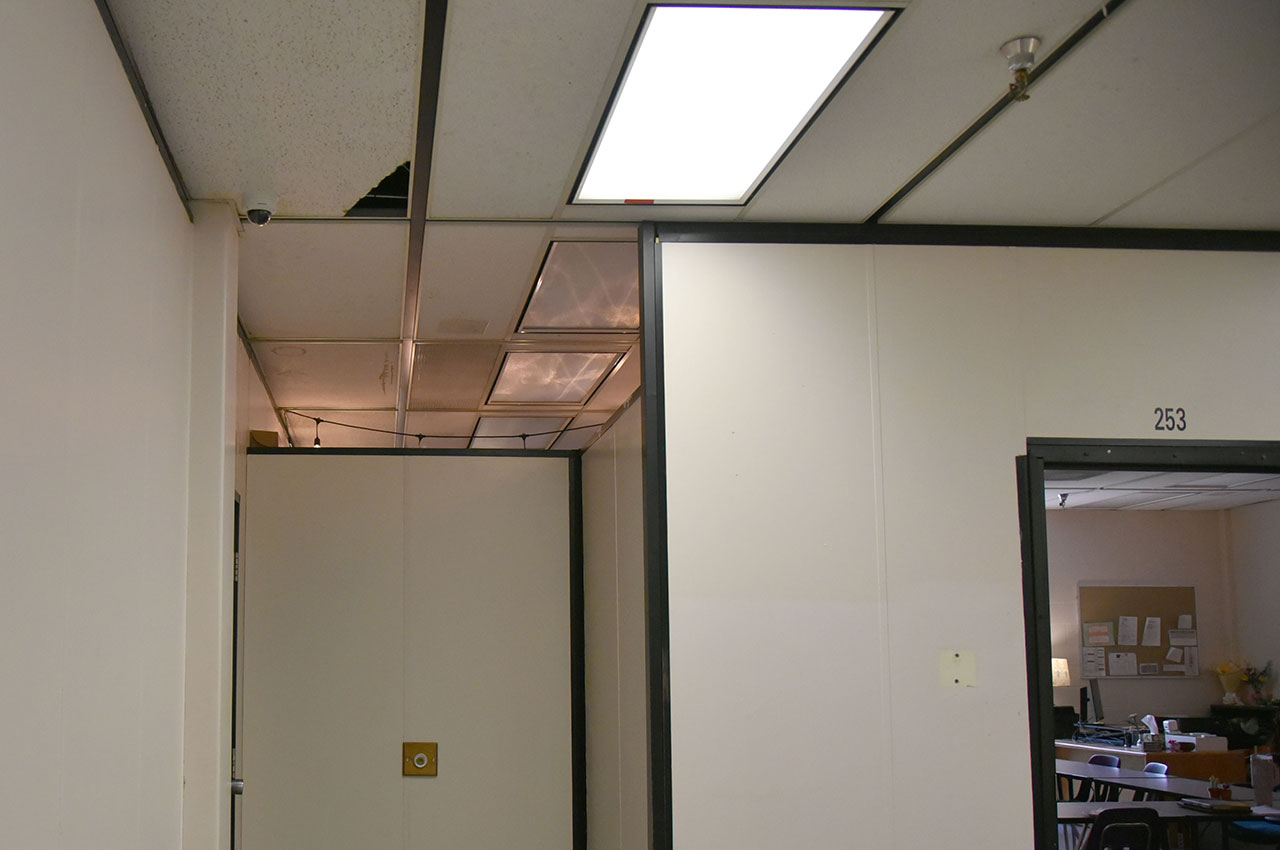
Systems are failing now. Planned replacement is always cheaper than emergency response — and gives students a better transition.
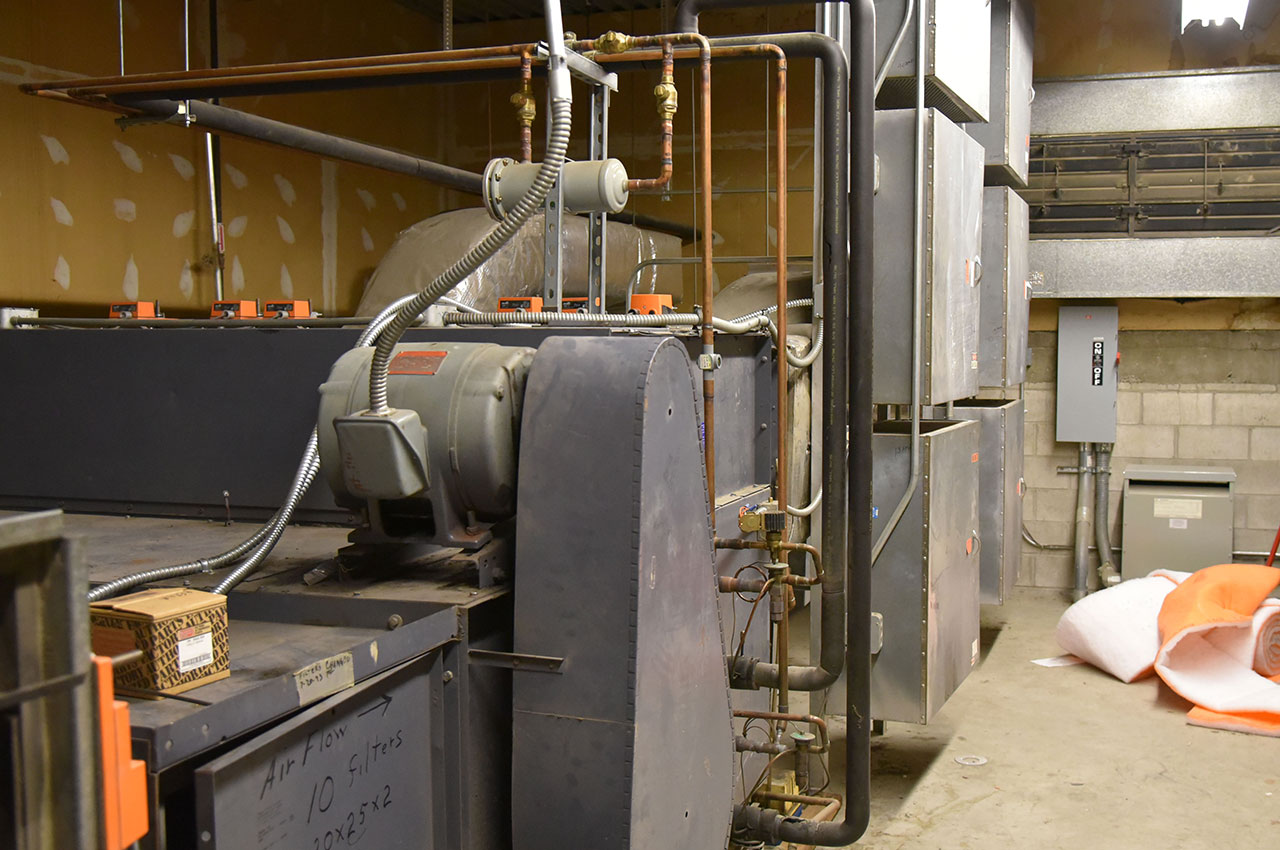
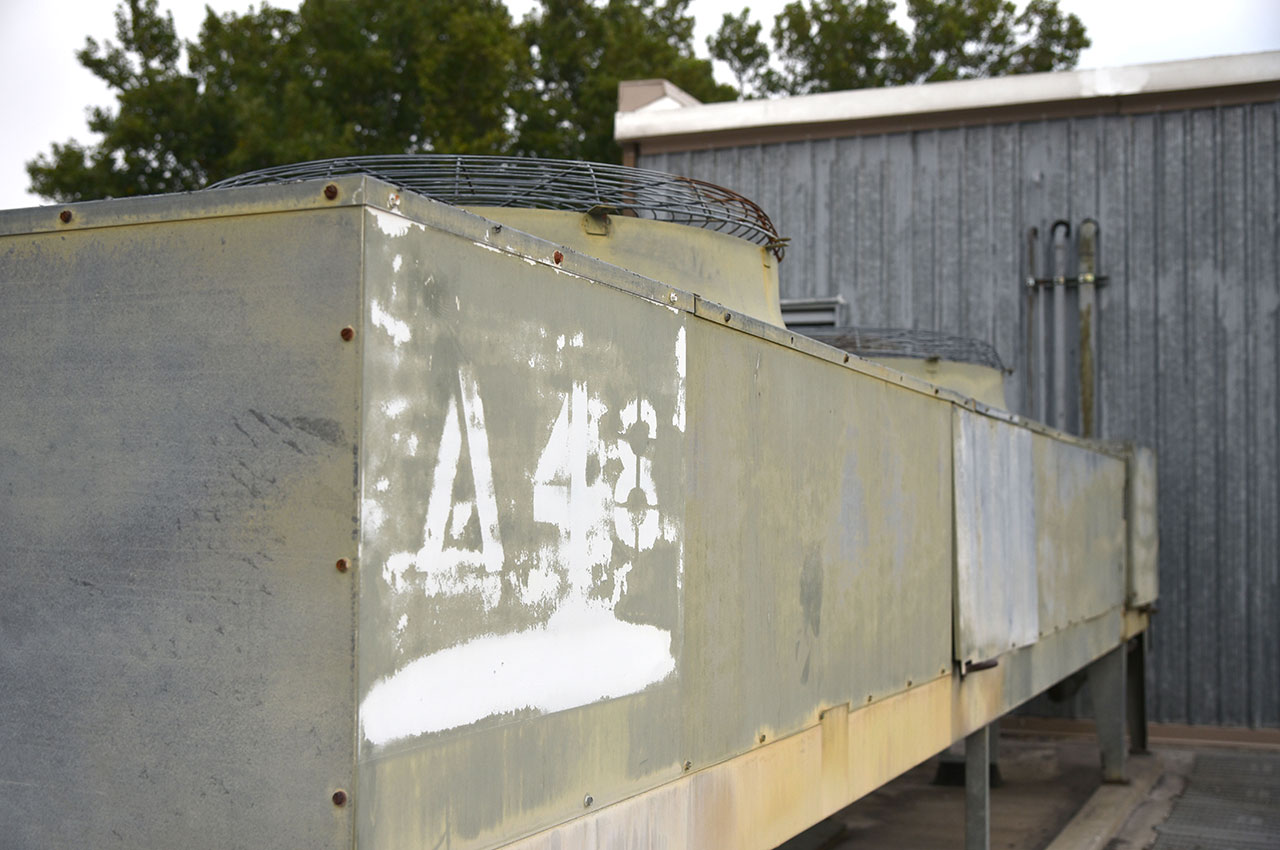
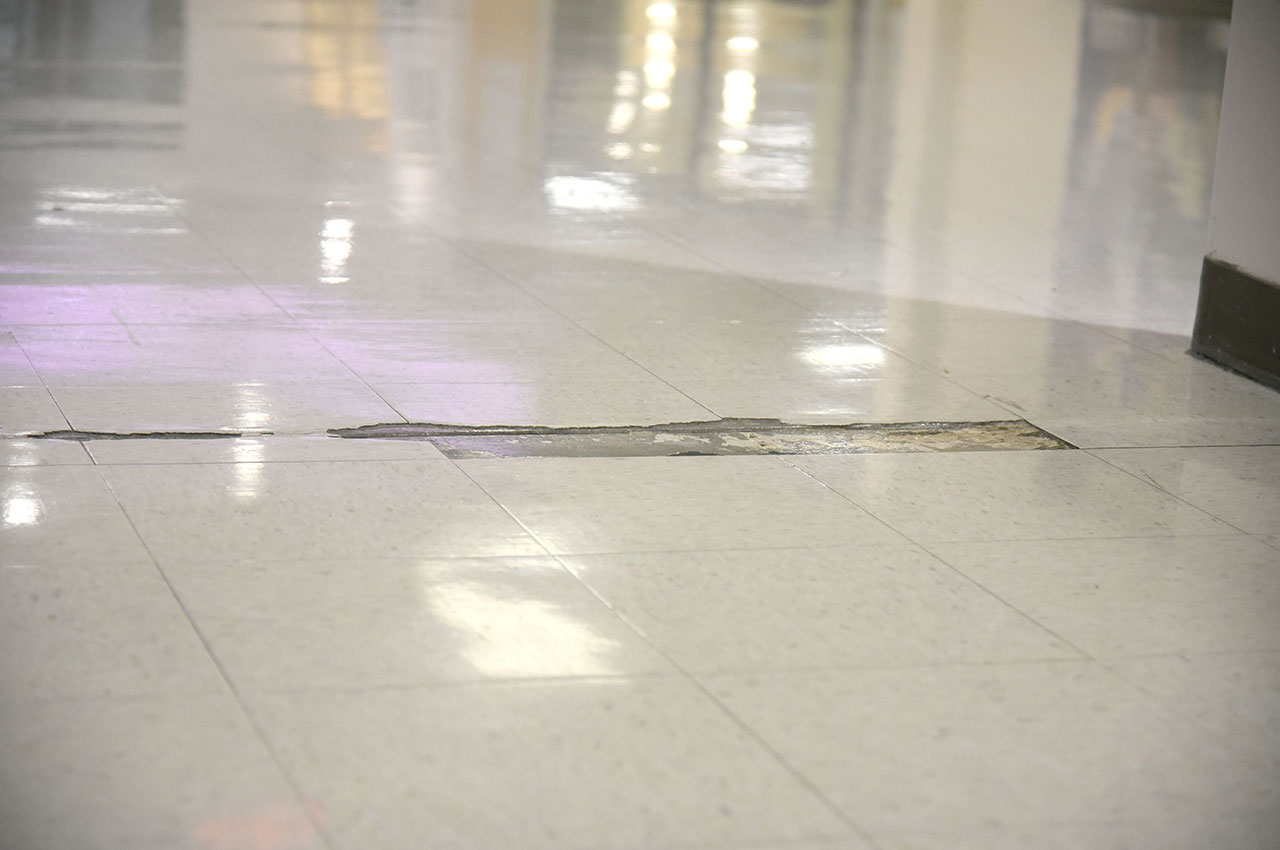
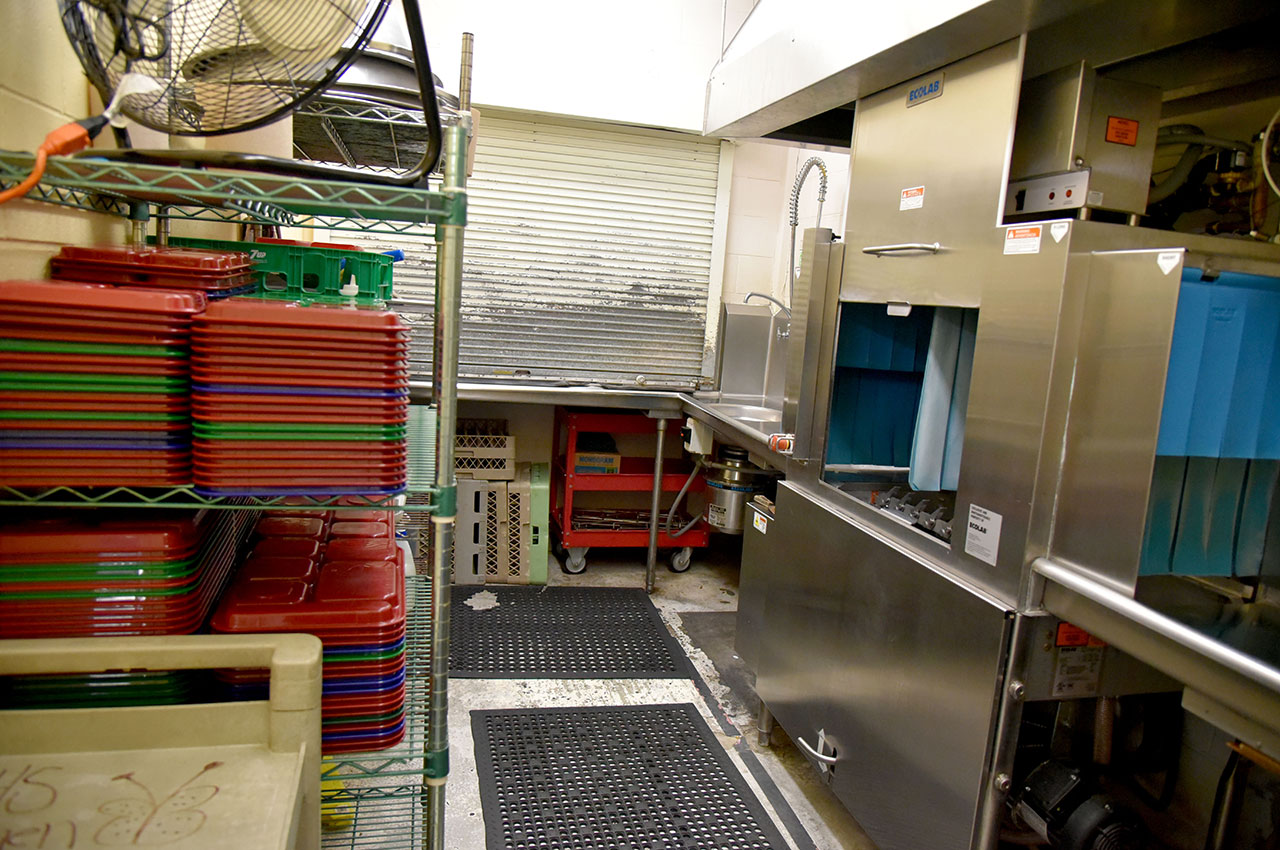
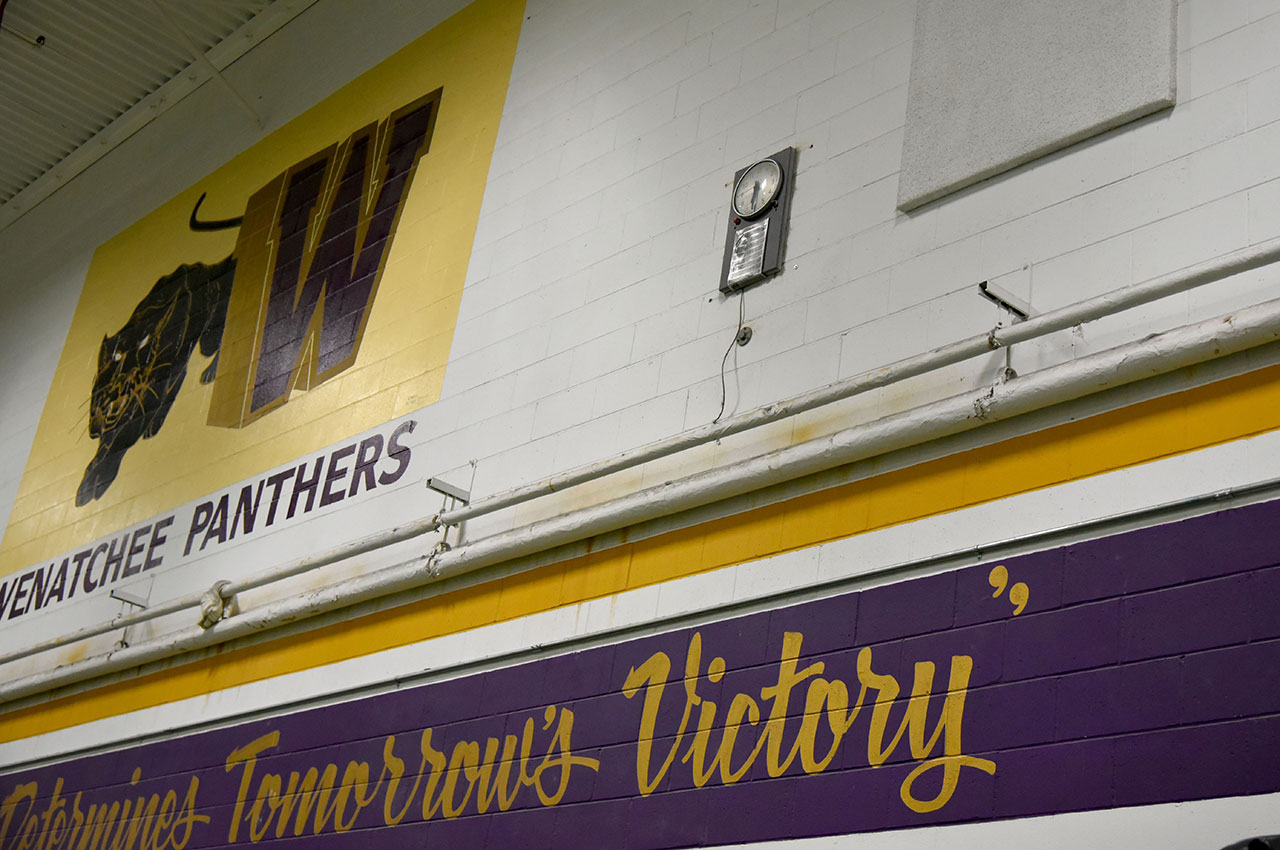
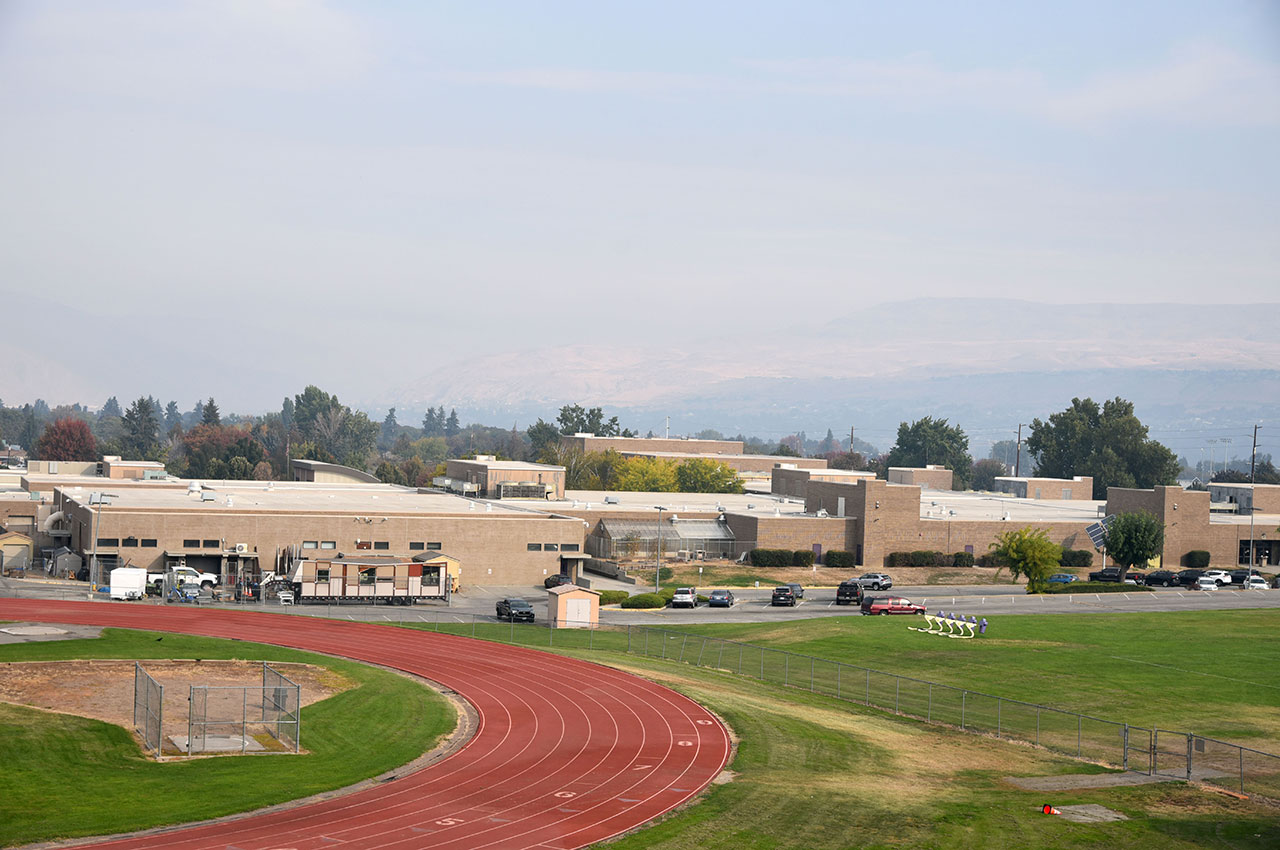
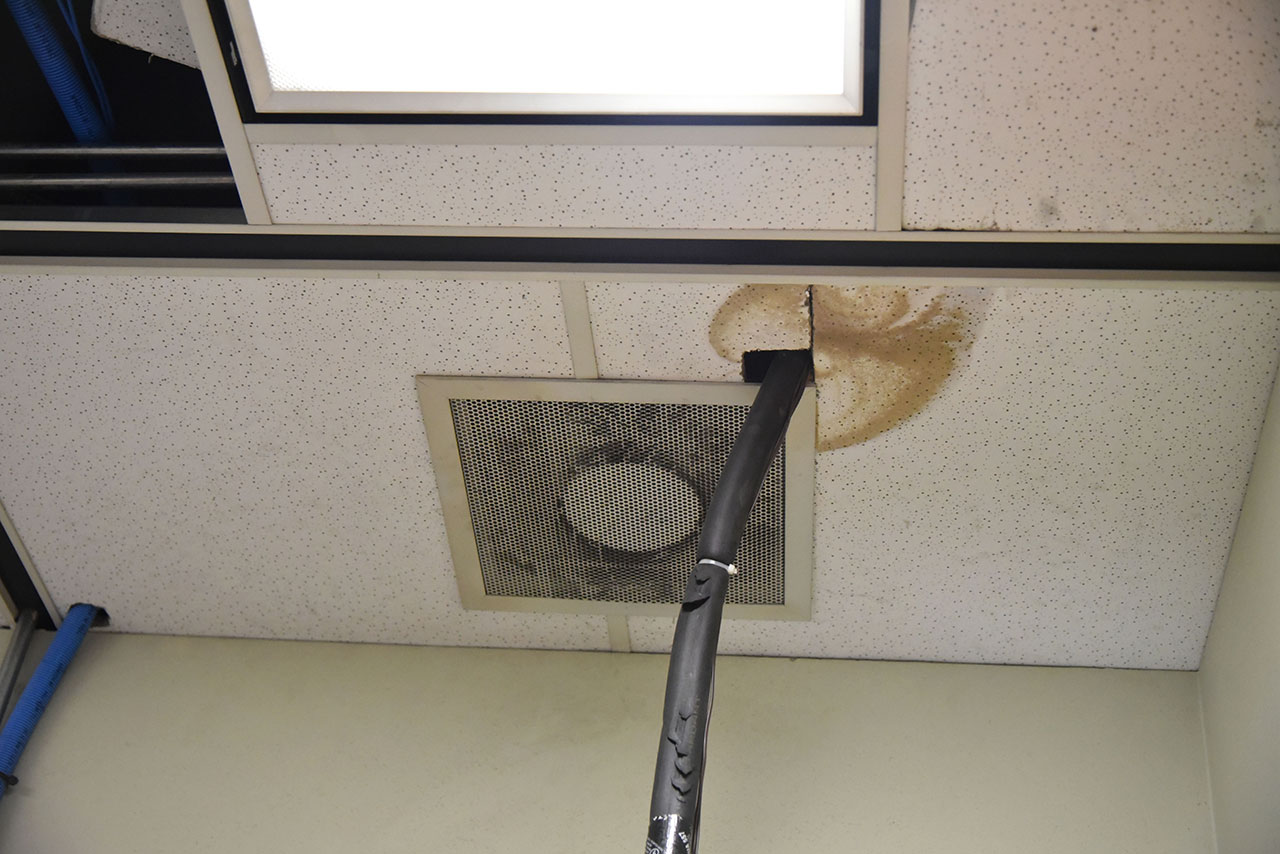
See more photos and documentation: Wenatchee's Facility Needs →
How the Voting Process Works
District Planning
The district identifies facility needs and develops a project list after community input.
State Approval
Must get approval from the State Superintendent of Public Instruction.
Ballot Measure
Bond is placed on the ballot at a special or general election.
Voter Decision
Requires 60% YES vote plus 40% voter turnout validation.
Want to share this with a neighbor?
Download the full "Understanding School Bonds" presentation — the same one presented at our campaign kick-off. Great for community conversations.